


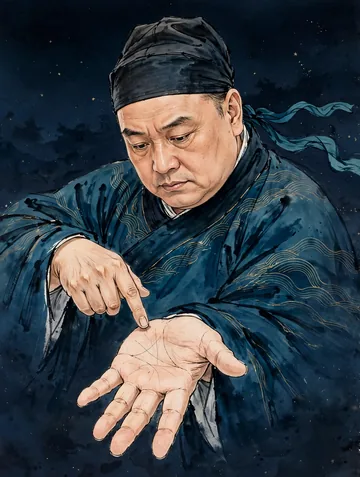
Empress Dowager Cixi
Empress Dowager Cixi
De Facto Ruler of the Late Qing
1835-11-29(15th year of the Daoguang reign (Qing), 10th lunar month, day 10)~ 1908-11-15
Born in Beijing
Three-Pillar ChartBirth hour unknown — three pillars only
Year Pillar
乙未
Element Wood · Earth
NaYin Sand Metal
Ten Gods Friend
Month Pillar
丁亥
Element Fire · Water
NaYin Rooftop Earth
Ten Gods Eating God
Day Pillar
乙丑
Element Wood · Earth
NaYin Sea Metal
Ten Gods Day Master
Hour Pillar
??
Hour unknown
Not cast
Day Master
乙Wood
Element distribution (three-pillar count)
Wood 2, Earth 2, Fire 1, Water 1, Metal 0
Chart computed by the MoZhu engine (lunar-javascript); without the hour pillar, luck pillars and yearly cycles can't fully unfold.
Case Review
Original writing · hindsight review · anchored in known history, viewed through chart structure
Yi (乙) Wood is the Wood of flowers, grasses and vines, signifying pliancy and climbing, with Friend and Eating God revealed in the year and month. Looking back on Cixi’s path from Noble Consort Lan to forty-seven years of “ruling from behind the curtain”: like a pliant vine she clung to imperial power and in the end grew to towering stature, mirroring Yi Wood’s way of “growing with the current.” A forest of Friends: her power struggles with Empress Dowager Ci’an, Prince Gong and the Guangxu Emperor offer a point of observation.
The revealed Eating God signifies the strategic expression of the “New Policies” in her later years. Earth appears twice; her surplus of “preservation” and shortage of “reform,” and the two great calamities of 1894 (the Sino-Japanese War) and 1900 (the Boxer year), can be observed in hindsight from the angle of “heavy Earth smothering Wood, its vitality blocked.” Her merits and faults are left for later generations to judge.
This is a cultural retrospective at the level of three pillars, not a fatalistic judgment.
Birth date source:Chinese Wikipedia: “Empress Dowager Cixi”(cross-checked with public records; bio is an original summary)
This case is for traditional-culture study only, not a judgment of any historical figure; schools of interpretation differ, and these conclusions claim no exclusive truth.