


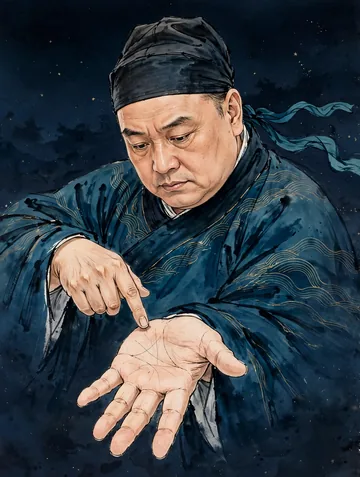
Li Hongzhang
Li Hongzhang
Senior Late-Qing Minister · Leader of the Self-Strengthening Movement
1823-02-15(3rd year of the Daoguang reign (Qing), 1st lunar month, day 5)~ 1901-11-07
Born in Hefei County, Luzhou Prefecture, Anhui
Three-Pillar ChartBirth hour unknown — three pillars only
Year Pillar
癸未
Element Water · Earth
NaYin Willow Wood
Ten Gods Indirect Resource
Month Pillar
甲寅
Element Wood · Wood
NaYin Great Stream Water
Ten Gods Rob Wealth
Day Pillar
乙亥
Element Wood · Water
NaYin Mountaintop Fire
Ten Gods Day Master
Hour Pillar
??
Hour unknown
Not cast
Day Master
乙Wood
Element distribution (three-pillar count)
Water 3, Wood 3, Fire 1, Earth 1, Metal 0; both Water and Wood strong
Chart computed by the MoZhu engine (lunar-javascript); without the hour pillar, luck pillars and yearly cycles can't fully unfold.
Case Review
Original writing · hindsight review · anchored in known history, viewed through chart structure
Yi (乙) Wood is the Wood of flowers and grasses. Born in the Yin (寅) month, it is in season and strong, and it is further nourished by Gui (癸) Water as Indirect Resource. Tradition speaks of “the vine clinging to the Jia tree”: Yi Wood people often excel at attaching themselves to the larger situation, mediating and maneuvering within it.
Looking back over Li Hongzhang’s life: for forty years he was known for diplomatic maneuvering, “using foreigners to check foreigners,” and papering over the cracks of a failing state, which mirrors this style of “abundant Water, flourishing Wood, growing with the current.” The Rob Wealth in the month pillar suggests a life full of competition and contests of strategy; and with strong Water setting the Wood adrift, his exhausting final years can be observed in hindsight from the angle of “much Water left unchecked.”
This is a retrospective from a cultural perspective, not a fatalistic judgment.
Birth date source:Chinese Wikipedia: “Li Hongzhang”(cross-checked with public records; bio is an original summary)
This case is for traditional-culture study only, not a judgment of any historical figure; schools of interpretation differ, and these conclusions claim no exclusive truth.