


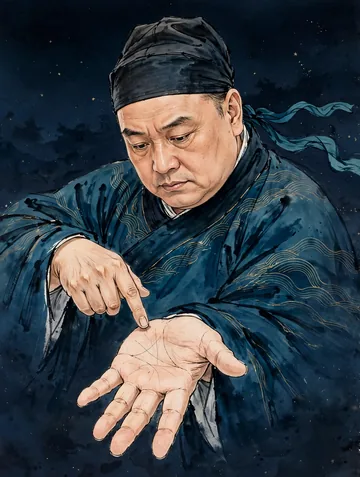
Mei Lanfang
Mei Lanfang
Peking Opera Performer · Founder of the Mei School
1894-10-22(20th year of the Guangxu reign (Qing), 9th lunar month, day 24)~ 1961-08-08
Born in Beijing
Three-Pillar ChartBirth hour unknown — three pillars only
Year Pillar
甲午
Element Wood · Fire
NaYin Sand Metal
Ten Gods Direct Resource
Month Pillar
甲戌
Element Wood · Earth
NaYin Mountaintop Fire
Ten Gods Direct Resource
Day Pillar
丁酉
Element Fire · Metal
NaYin Foot-of-Mountain Fire
Ten Gods Day Master
Hour Pillar
??
Hour unknown
Not cast
Day Master
丁Fire
Element distribution (three-pillar count)
Wood 2, Fire 2, Earth 1, Metal 1, Water 0
Chart computed by the MoZhu engine (lunar-javascript); without the hour pillar, luck pillars and yearly cycles can't fully unfold.
Case Review
Original writing · hindsight review · anchored in known history, viewed through chart structure
Ding (丁) Fire is the light of a spark, signifying civilization and the stage, with Direct Resource revealed in both year and month. Looking back on the life of Mei Lanfang, founder of the Mei school: the stage brilliance of The Drunken Concubine and Farewell My Concubine, and his artistic principle of “changing the steps without changing the form,” mirror the deep lineage of “double Resource” and the outward talent of “Wood and Fire bright and clear.”
Direct Resource signifies mentoring younger artists and moral character: growing a mustache to show his resolve and refusing to perform for Manchukuo or the Japanese puppet regimes can be viewed in terms of the integrity of “Resource.” Metal is Wealth (You 酉 Metal), and his art ultimately became a “national treasure,” a footnote to the light of Ding Fire illuminating the world of Chinese opera for a century.
This is a cultural retrospective at the level of three pillars, not a fatalistic judgment.
Birth date source:Chinese Wikipedia: “Mei Lanfang”(cross-checked with public records; bio is an original summary)
This case is for traditional-culture study only, not a judgment of any historical figure; schools of interpretation differ, and these conclusions claim no exclusive truth.