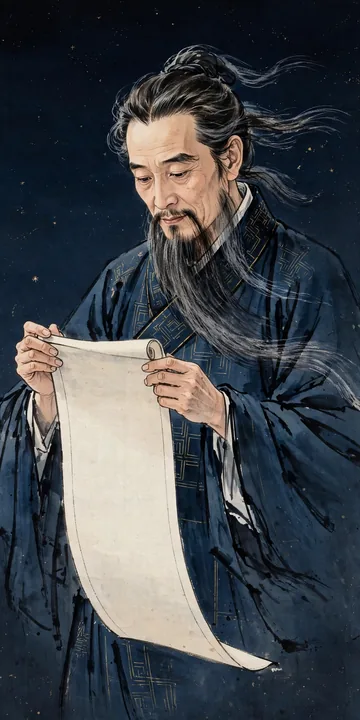


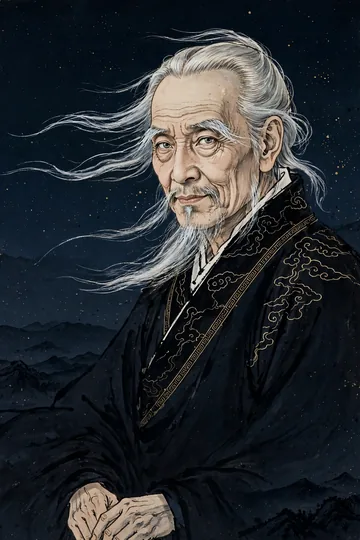
Sima Guang
Sima Guang
Northern Song Statesman · Chief Compiler of the Zizhi Tongjian
1019-11-17(3rd year of the Tianxi reign (Song), 10th lunar month, day 18)~ 1086-10-11
Born in Guangshan, Henan
Three-Pillar ChartBirth hour unknown — three pillars only
Year Pillar
己未
Element Earth · Earth
NaYin Heavenly Fire
Ten Gods Indirect Resource
Month Pillar
乙亥
Element Wood · Water
NaYin Mountaintop Fire
Ten Gods Indirect Wealth
Day Pillar
辛丑
Element Metal · Earth
NaYin Wall Earth
Ten Gods Day Master
Hour Pillar
??
Hour unknown
Not cast
Day Master
辛Metal
Element distribution (three-pillar count)
Earth 3, Metal 2, Wood 1, Water 1, Fire 0
Chart computed by the MoZhu engine (lunar-javascript); without the hour pillar, luck pillars and yearly cycles can't fully unfold.
Case Review
Original writing · hindsight review · anchored in known history, viewed through chart structure
A Xin (辛) Metal Day Master, with Indirect Resource and Indirect Wealth revealed in the year and month, and Earth appearing three times. Looking back on the nineteen years he spent leading the compilation of the Zizhi Tongjian: Indirect Resource signifies deep study and authorship, and his editorial career, “when the day was not enough, continuing into the night,” is the work of Indirect Resource; heavy Earth signifies preservation and solidity, echoing his political stance that “the laws of the ancestors must not be changed.”
The revealed Indirect Wealth signifies his pragmatic side, as seen in the statecraft orientation of the Zizhi Tongjian, “a mirror of past events to aid in governance.” With heavy Earth burying the Metal, his resolute “abolition of all the New Policies” in the factional struggle with Wang Anshi can be observed in hindsight from the angle of “heavy Earth, little flexibility”; its merits and faults are left for later generations to judge.
This is a cultural retrospective at the level of three pillars, not a fatalistic judgment.
Birth date source:Chinese Wikipedia: “Sima Guang”(cross-checked with public records; bio is an original summary)
This case is for traditional-culture study only, not a judgment of any historical figure; schools of interpretation differ, and these conclusions claim no exclusive truth.