

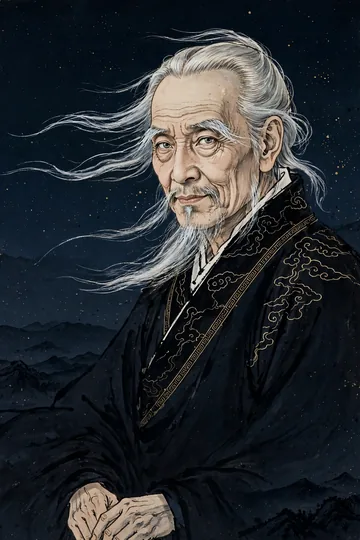
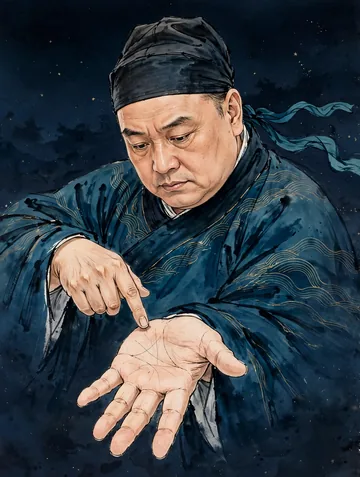
Hu Shih
Hu Shih
Scholar · Leader of the New Culture Movement
1891-12-17(17th year of the Guangxu reign (Qing), 11th lunar month, day 17)~ 1962-02-24
Born in Chuansha, Shanghai
Three-Pillar ChartBirth hour unknown — three pillars only
Year Pillar
辛卯
Element Metal · Wood
NaYin Pine and Cypress Wood
Ten Gods Indirect Wealth
Month Pillar
庚子
Element Metal · Water
NaYin Wall Earth
Ten Gods Direct Wealth
Day Pillar
丁丑
Element Fire · Earth
NaYin Stream Water
Ten Gods Day Master
Hour Pillar
??
Hour unknown
Not cast
Day Master
丁Fire
Element distribution (three-pillar count)
Metal 2, Wood 1, Fire 1, Earth 1, Water 1
Chart computed by the MoZhu engine (lunar-javascript); without the hour pillar, luck pillars and yearly cycles can't fully unfold.
Case Review
Original writing · hindsight review · anchored in known history, viewed through chart structure
Ding (丁) Fire is the Fire of lamps and candles, signifying cultural enlightenment, with Indirect Wealth and Direct Wealth revealed in the year and month, and all Five Phases present. Looking back on the life of Hu Shih, a leader of the New Culture Movement: his “Tentative Proposals for the Reform of Literature,” which first championed vernacular Chinese, and his method of “bold hypotheses, careful verification” mirror Ding Fire “lighting a great brightness from a small flame.” Strong Wealth signifies pragmatism, as in “study more problems, talk less of -isms.”
Metal as Wealth is revealed twice (Xin 辛 and Geng 庚); his scholarship grounded in textual research and pragmatism is a footnote to the practicality of “Wealth.” With all Five Phases present, his lifelong reconciliation of old and new and his conviction that “tolerance is more important than freedom” can be observed in hindsight through the structure of “the Five Phases flowing freely.”
This is a cultural retrospective at the level of three pillars, not a fatalistic judgment.
Birth date source:Chinese Wikipedia: “Hu Shih”(cross-checked with public records; bio is an original summary)
This case is for traditional-culture study only, not a judgment of any historical figure; schools of interpretation differ, and these conclusions claim no exclusive truth.